Ships are complex machines constantly exposed to harsh maritime environments—saltwater, high pressure, heavy loads, and extreme weather. Over time, these conditions can cause various types of damage that, if not handled promptly, may lead to costly downtime or even compromise safety. Understanding the most frequent types of ship damage and how to address them is essential for efficient marine operations.
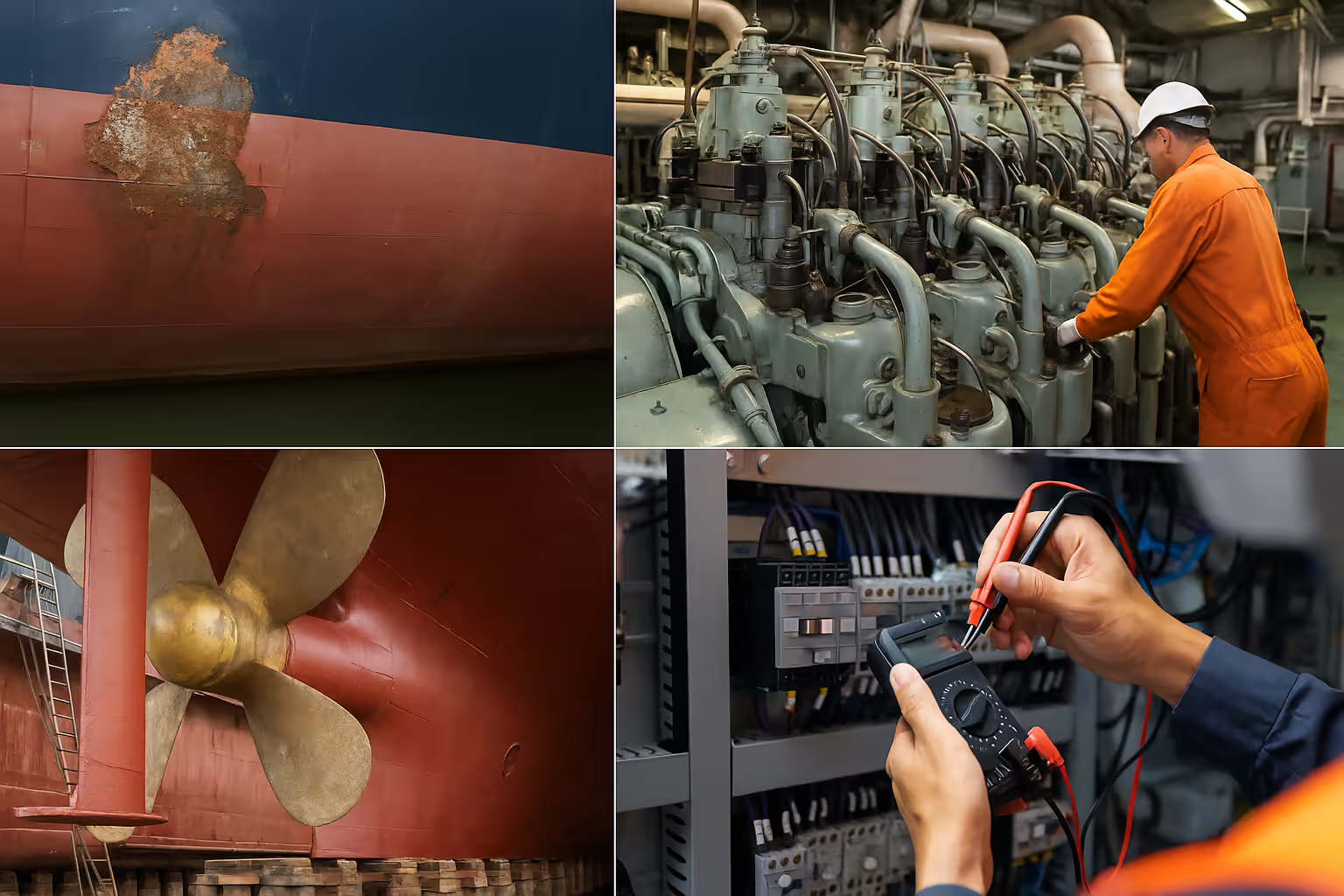
1. Hull Damage
Common Causes:
- Collisions with docks, debris, or other vessels
- Corrosion due to prolonged seawater exposure
- Cracks from fatigue or wave impact over time
Solutions:
- Ultrasonic thickness testing to detect thinning or hidden cracks
- Welding or steel plating to reinforce or replace damaged areas
- Reapplying anti-corrosion coatings to protect the hull surface
2. Main Engine Failure
Common Causes:
- Poor lubrication or use of low-quality oil
- Overheating due to cooling system issues
- Wear and tear of moving parts
Solutions:
- Regular oil analysis and lubrication system maintenance
- Inspection and replacement of worn-out parts (bearings, pistons, etc.)
- Proper engine load management and temperature control
3. Propeller and Shaft Issues
Common Causes:
- Fouling from ropes, nets, or marine growth
- Shaft misalignment
- Cavitation damage
Solutions:
- Underwater inspection and cleaning
- Shaft alignment adjustments using laser tools
- Replacing damaged blades or balancing the propeller
4. Electrical System Failures
Common Causes:
- Moisture intrusion causing short circuits
- Battery degradation
- Faulty circuit boards or connections
Solutions:
- Dry and sealed cable routing to prevent moisture penetration
- Routine testing and maintenance of generators and switchboards
- Replacing outdated or corroded components
5. Steering System Malfunctions
Common Causes:
- Hydraulic fluid leaks
- Damaged rudder linkages
- Control system failure
Solutions:
- Checking hydraulic levels and seals regularly
- Tightening or replacing mechanical linkages
- Software diagnostics for control systems
Routine inspections and early detection are key to avoiding major repairs and operational delays. Shipowners and operators should implement a proactive maintenance plan, invest in quality parts and technology, and collaborate with certified marine repair specialists. By addressing these common issues promptly, vessels can maintain optimal performance, reduce downtime, and ensure crew safety on every voyage.